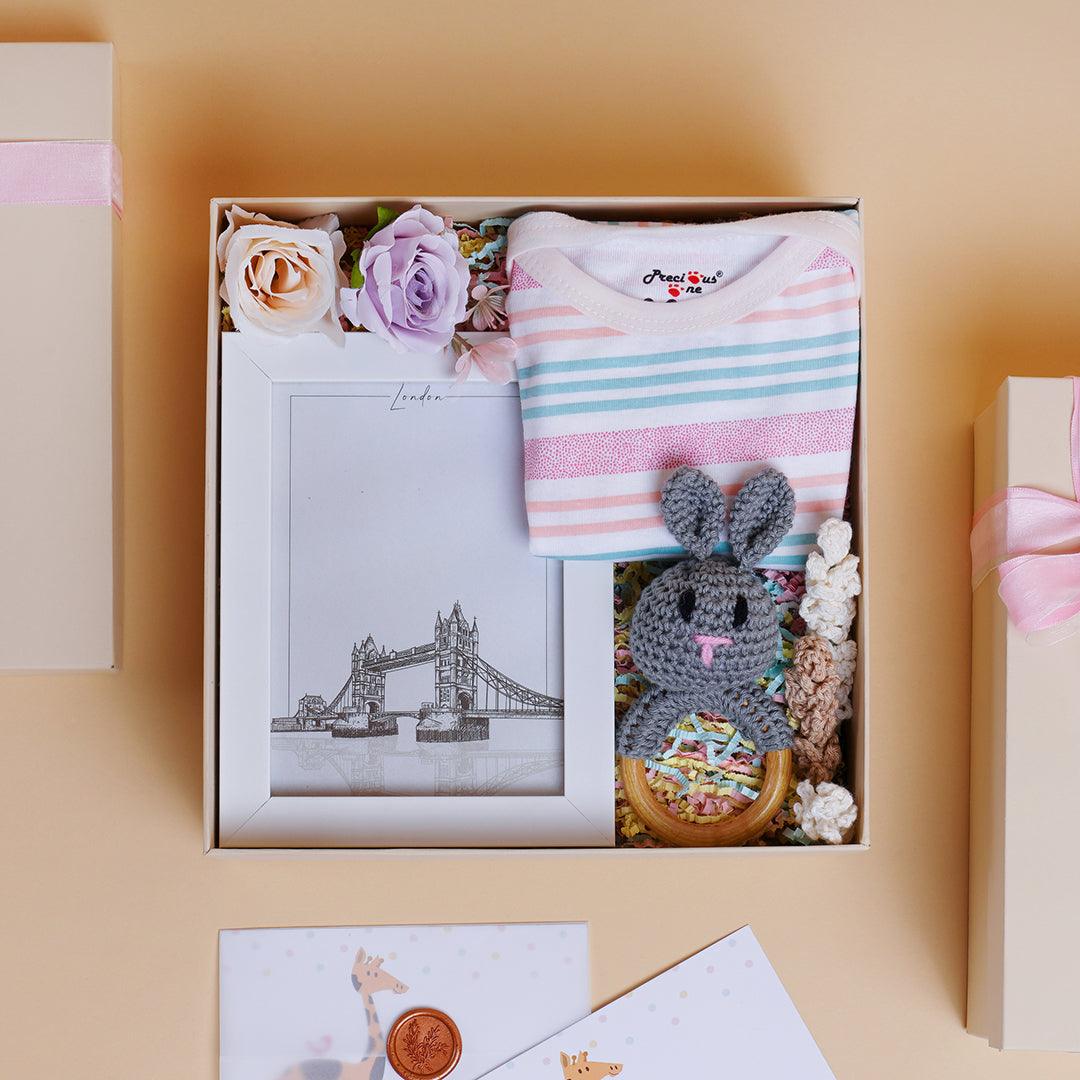
When you first open the box that comes with a brand‑new crib, you’re greeted with a bundle of delight: a baby hamper. It’s the first place your little one will stash diapers, wipes, and the occasional squeaky toy. But what happens when you discover that this seemingly harmless bundle is not eco‑friendly? This guide will walk you through recognizing the problem, taking immediate action, and choosing greener alternatives—so you can keep your baby’s first closet as clean as their future.
Understanding the Baby Hamper: What It Is and Why Eco‑Friendly Matters
A baby hamper is more than a storage container; it’s a daily reminder of the products you trust with your child’s skin and the environment. The typical hamper is made of plastic, cardboard, or a mix of both. While convenient, these materials can leave a lasting imprint on Earth.

Typical Components of a Baby Hamper
- Plastic lid or lining – often single‑use or non‑recyclable. Cardboard base – usually unbleached, but may contain inks with harmful dyes. Interior compartments – sometimes lined with synthetic fibers.
Environmental Impact of Conventional Materials
- Plastic waste accumulates in landfills, taking centuries to decompose. Bleached cardboard consumes large amounts of chlorine, releasing toxic by‑products. Synthetic fibers shed microplastics that pollute waterways.
Signs Your Baby Hamper Is Not Eco‑Friendly
Before you panic, check a few key indicators that your hamper might be harming more than helping.
Material Check: Plastics, Non‑Recycled Paper, etc.
- Does the hamper contain a plastic lid or plastic lining? Is the cardboard unbleached or coated with glossy finishes? Are there any visible labels that mention non‑recycled or non‑compostable?
Chemical Concerns: Dyes, Fragrances, Residues
- Fragrance: Many hampers carry a subtle scent that can irritate sensitive skin. Dyes: Bright colors often come from azo dyes, which can leach chemicals. Residues: Check for a sticky film that might be a leftover from manufacturing.
Steps to Take When You Discover It’s Not Eco‑Friendly
Once you’ve identified the issue, act promptly to protect your child and the planet.
Assessing the Situation: Is It a One‑Off or Ongoing Issue?
- One‑Off: If the hamper is a single purchase, you can replace it. Ongoing: If the brand uses non‑eco‑friendly materials across its line, consider switching brands.
Immediate Actions: Reducing Exposure and Minimizing Waste
- Cover the interior with a clean, reusable cloth or a sheet of organic cotton to shield your baby’s items from potential leaching. Store the hamper in a dry place to prevent mold growth on non‑recyclable materials. Recycle the cardboard portion if local facilities accept it; otherwise, repurpose it for craft projects.
Long‑Term Solutions: Replacing or Upcycling
- Replace: Choose a hamper made from bamboo or recycled fabric. Upcycle: Transform the existing hamper into a storage box for stuffed animals or a plant pot for a small herb garden.
Eco‑Friendly Alternatives and How to Choose Them
Finding the right sustainable hamper can feel like searching for a needle in a haystack, but with a few guidelines, you’ll spot the green gems.
Storage basketsSustainable Materials: Bamboo, Organic Cotton, Recycled Fabric
- Bamboo: Fast‑growing, renewable, and naturally antibacterial. Organic cotton: Grown without pesticides, reducing chemical runoff. Recycled fabric: Repurposes post‑consumer textiles, cutting down waste.
Certifications to Look For
- OEKO‑Tex Standard 100 – ensures no harmful substances. Cradle to Cradle Certified – verifies materials can be fully recycled or composted. Forest Stewardship Council (FSC) – guarantees responsible sourcing.
DIY Baby Hamper Ideas
- Fabric pouch: Sew a pouch from organic cotton and add a removable silicone lid. Cardboard box: Line a sturdy cardboard box with a thin sheet of bamboo and decorate with washable paint. Repurposed tote: Convert a reusable grocery tote into a hamper; it’s lightweight and washable.
A Little Light Humor and Wisdom
Anecdote: The Day I Mixed Up the Hamper
I once bought a “baby hamper” that turned out to be a “baby handkerchief” after a quick inspection. The packaging said “handkerchief” in a font that looked like a baby’s crayon scribble. The lesson? Always double‑check the label before you let your toddler play with it. It’s a reminder that even the smallest misstep can lead to a bigger mess—just like a spilled bottle of water on a pristine rug.
Quote from a Parenting Guru
> “The greatest gift you can give your child is a healthy environment.” – Mother Earth, in the words of a wise grandmother.
Making Your Selection Count
Choosing a sustainable baby hamper isn’t just about the product; it’s a statement of values. Think of it as a green umbrella that shields your child from the harsh rays of environmental neglect. When you opt for eco‑friendly materials, you’re investing in a cleaner future, one diaper at a time.
- Ask questions: “Is this product recyclable?” “What certifications does it hold?” Support brands that prioritize transparency and sustainability. Educate your community: share your findings on social media or at parent‑meetings.
In the end, the decision is yours, but remember that every small change adds up. By swapping that non‑eco‑friendly hamper for a greener alternative, you’re not just keeping your baby’s belongings tidy—you’re also keeping the planet tidy. So go ahead, make the switch, and let your little one grow up in a https://telegra.ph/Baby-Hamper-with-Baby-Gift-Set-for-Relatives-The-Ultimate-Gift-Guide-12-11-2 world that’s as clean and bright as their future.